







Search Results for: Tamarind Americano

Luckin Coffee's Honor of Kings collaboration launches a tamarind Americano, and netizens mistaking it for pickled long beans sparks heated discussion
Luckin Coffee's collaboration with the mobile game Honor of Kings has not yet officially launched, but a new product called "Tamarind Americano" has already sparked discussions on social platforms ahead of time. Many netizens, upon first hearing the name, mistook it for pickled string beans added to coffee and blurted out "dark cuisine"; later, a Yunnan netizen clarified that tamarind is actually a common local fruit, often used to make beverages, and has long been paired with coffee. However, after the full name "Pain Mask · Tamarind Americano" was revealed, it triggered consumer worries about the taste. Whether this collaboration drink is a pleasant surprise or a flop will only be known after it hits the market. [more…]

Luckin Coffee Teams Up with Honor of Kings to Launch Ten Co-branded Themed Cups, Store Employees Say the Pressure to Identify Them Is Intense
Luckin Coffee's collaborative campaign with the hit mobile game Honor of Kings has officially launched, coinciding with the game's tenth anniversary celebration and drawing widespread attention from players. The collaboration features a special drink inspired by in-game equipment called "Pain Mask · Tamarind Americano," along with merchandise such as hand fans, insulated tumblers, and gold-stamped badges. During the campaign, stores nationwide are using a three-piece collaboration set consisting of takeaway cups, cup sleeves, and paper bags, with the most eye-catching item being as many as 10 themed cup designs covering 5 game characters. The rich variety has thrilled players but placed a double burden on store staff in terms of identification and stocking. Front Street Coffee continues to follow developments in the coffee industry and brings you frontline observations. [more…]

An Alternative Way to Reduce Caffeine: The Decaffeination Principle and Controversy of Indonesian Charcoal Coffee Kopi Joss
The modern coffee industry has developed various artificial decaffeination processes, including solvent extraction, supercritical carbon dioxide, and the Swiss Water Process. But in an era of technological scarcity, Indonesians had already found an unexpected way to reduce the caffeine in coffee—by plunging red-hot tamarind wood charcoal into brewed coffee. This is Kopi Joss. This street drink was not originally intended for decaffeination, but was believed to relieve stomach discomfort and ward off cold. Research by Ahmad Fauzan, a chemistry student at Yogyakarta State University, found that tamarind wood charcoal has an iodine absorption rate of 83%, which can reduce the caffeine in black coffee from 68.78 mg/100 ml to 55.13 mg/100 ml, with optimal adsorption occurring at 40 minutes. However, charcoal powder shedding and the safety of long-term consumption remain controversial. Front Street Coffee takes you through the science and tradition behind this cup of "hardcore coffee." [more…]

Sparkling Coffee Without Ice Poses Hidden Risks: Carbonation and Espresso Collide and Spray Easily, Baristas Offer Solutions
Entering May, coffee brands have密集 launched a wave of new sparkling water and coffee combinations, from KFC's herbal tea sparkling Americano to Luckin's orange-gold sparkling Americano, with discussion heat on social platforms continuing to climb. However, for in-store baristas, more troublesome than taste controversies is when customers insist on removing or reducing ice, the instant the carbonated water meets the espresso, a violent bubbling reaction occurs, even overflowing the cup lid and spilling across the counter. This article sorts out recent developments in various brands' sparkling new products, the causes of splashing and operational techniques, as well as the ice-amount game between brands and consumers. Front Street Coffee reminds that when tasting such drinks, one should also pay attention to the carbonation characteristics to avoid affecting the experience. [more…]
A Deep Dive into the Origins, Cultivation Characteristics, and Roast Profiles of Geisha Coffee Beans
Geisha is an heirloom Arabica variety originating from Ethiopia, yet it blossomed in Panama with a flavor that stunned the specialty coffee world. Its tree is tall and slender with narrow leaves and low yields, and it is extremely picky about its growing environment—yet in high-altitude regions it can express jasmine florals, citrus sweetness, and delicate acidity. From its discovery in 1931 to its arrival in Panama in 1960, Geisha's backstory is far more complex than one might imagine. This article will trace Geisha's varietal origins, botanical characteristics, and flavor expression, and explore the roast level suited to it, helping coffee lovers gain a comprehensive understanding of this coffee hailed as the "Queen of Specialty Coffee." [more…]

Single-Origin Coffee Bean Flavor Window | Why Must Pour-Over Coffee Be Ground and Brewed Fresh? How Does Coffee Bean Flavor Change Past Its Peak?
Many people assume that freshly ground coffee means fresh coffee, but that's not actually the case. In fact, to truly enjoy the aroma of coffee, it's not just about grinding fresh—there are also specific requirements regarding the roasting time of the coffee beans. Front Street Coffee, whether in-store or through its online Taobao shop, offers only freshly roasted coffee beans, unless a customer specifically requests grinding. [more…]
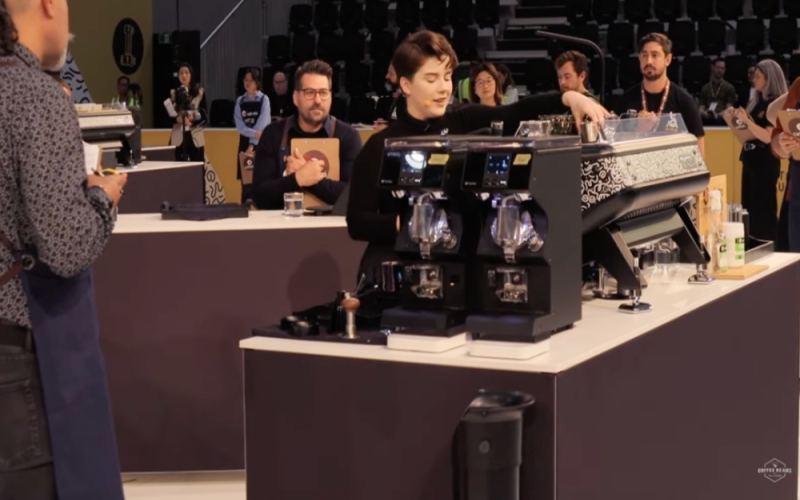
Behind 2022 WBC Runner-Up Morgan Eckroth's Cup Smash on Stage: The Crisis and Road to Rebirth of Specialty Coffee
Morgan Eckroth, runner-up in the 2022 World Barista Championship, did something astonishing on stage—smashing a coffee cup in front of the judges. This coffee influencer with 7 million followers used a metaphor-laden performance to explore the extinction crisis facing specialty coffee. From choosing the endangered coffee variety Eugenioides to incorporating kintsugi craftsmanship and Colombia's national liquor into the creative coffee segment, every choice Morgan made pointed to the same question: as climate change, market shifts, and industry decline converge, is the coffee industry ready? This article will take you through this breathtaking competition and explore how baristas can rediscover the humanistic value and professional charm of specialty coffee in an era obsessed with efficiency. [more…]

Freshly Ground Not Enough? A Complete Analysis of Pour-Over Coffee Freshness, from Roast Date to Water Temperature Adjustment
Many people attribute the deliciousness of pour-over coffee to whether it is freshly ground, but what truly determines the flavor in the cup goes far beyond the grinding step. The timeline that coffee beans go through after roasting, whether the resting period is adequate, and how brewing water temperature and parameters are adjusted according to the beans' condition all directly affect the final taste. Front Street Coffee, using Panama Janson Estate Geisha as an example, conducted comparative brews with beans just past their resting period and beans stored for two months, testing step by step from 92°C down to 88°C, then adjusting the bloom time and grind size for aged beans, using experimental data to show: fresh roasting is the prerequisite for flavor, but knowing how to adjust parameters according to the beans can likewise find a satisfying floral and fruity profile in a cup of coffee. [more…]
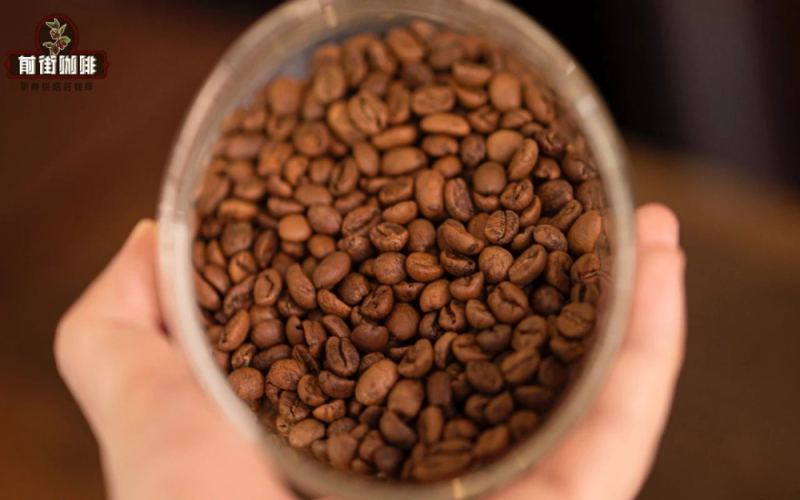
Freshly Ground Isn't the Same as Fresh: How Pour-Over Coffee Flavor Changes Over Time, from Roast Date to Brewing Parameters
Many people equate freshly ground coffee with fresh coffee, but what really determines whether a pour-over tastes good isn't just when you grind the beans—it's also the roast date. Starting from Front Street Coffee's roasting philosophy and drawing on a controlled experiment with a Panama Janson Geisha, this article breaks down the differences in brewing performance between coffee beans just past their resting period and beans that have sat for two months. You'll see: why Front Street only roasts the amount needed and keeps no inventory; why three to four days of resting is the starting point for stable flavor; and, when faced with beans that have been stored a long time, how to adjust water temperature, blooming time, and grind size to restore, as much as possible, a clean citrus and berry profile. [more…]
Ethiopia Gesha Village Golden Label Geisha: Oma Block Natural Flavor and Cupping Performance
When Geisha is mentioned, most people first think of Panama, but the roots of this legendary variety actually lie in Ethiopia. Front Street Coffee recently tested a Gold Label lot from Gesha Village, produced on the Oma block, of the Geisha 1931 variety, using a refined natural process. Gesha Village was founded around 2009 by Adam Overton and Rachel Samuel, who established the farm after finding wild Geisha in the Gori Gesha forest, and it is one of the rare large estates that grows only the Geisha variety. This article will present a complete picture of this African Geisha's performance and flavor profile, from the estate's history, variety classification, and the flavors of its eight blocks, to the Gold Label grade, natural process, roasting curve, and cupping and brewing. [more…]
Ethiopian Gesha Village Coffee Flavor Analysis: From Variety Traceability to Cupping Performance
When people talk about Geisha, most think of Panama, but rarely mention its birthplace—Ethiopia. This article begins with the history of Geisha's spread, tracing how this variety journeyed from African forests to the world stage, and focuses on Gesha Village Coffee Estate in the Bench Maji region. It covers the estate's founding background, the microclimates and flavor differences of its eight farms, the genetic characteristics of three Geisha varieties, and the estate's strict internal grading system. Brewing parameters from Front Street Coffee are also included, offering a complete reference for coffee enthusiasts who want to deepen their understanding of Ethiopian Geisha. [more…]
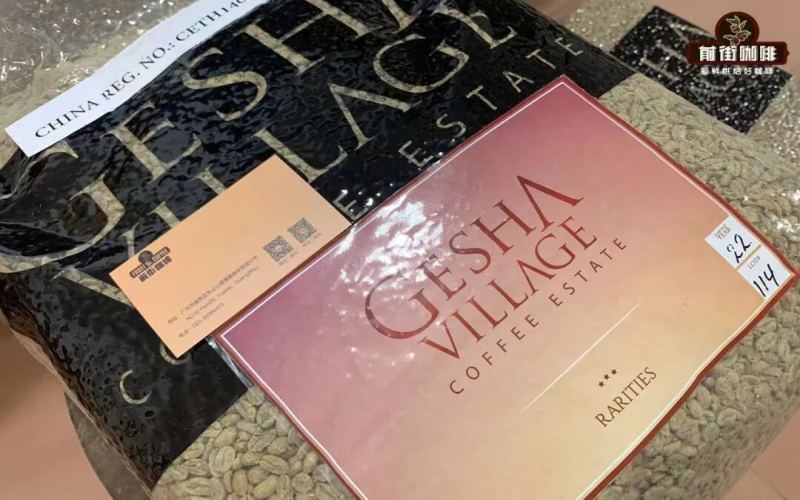
Ethiopian Geisha Coffee | What is the origin of Gesha Village? How does Gesha Village grade Geisha coffee? What are the characteristics of different grades of Geisha?
In the past, when some friends who wanted to taste Geisha coffee came to Front Street Coffee and ordered Geisha, the baristas at Front Street would carefully ask, "Do you mean Ethiopian Geisha or Panamanian Geisha?" Everyone would be confused about the difference between these two Geishas. Nowadays, the name of Panamanian Geisha [more…]
Ethiopian Gesha Village Coffee Flavor Analysis: A Complete Overview of Variety Origins, Production Areas and Plots, and the Grading System
When people talk about Geisha, most think first of Panama. However, the roots of this legendary variety lie in Ethiopia. Front Street Coffee takes you through the history of Geisha's spread, from the discovery of the Geisha forest in 1931 to the establishment of the Gesha Village Estate in the Bench Maji region. This article will provide a detailed analysis of the three coffee varieties at Gesha Village—Gori Gesha, Gesha 1931, and Illubabor Forest 1974—and introduce the terroir characteristics and coffee flavors of the estate's eight farms one by one. In addition, Gesha Village's strict grading system of Auction, Gold, Red, Green, and Chaka lots will also be presented, helping coffee enthusiasts gain a comprehensive understanding of the unique charm of Ethiopian Geisha. [more…]
A Complete Guide to Arabica Coffee Varieties: Comparing Major Origins and Flavors of Typica, Bourbon, Caturra, and More
In the world of specialty coffee, Arabica beans are the absolute protagonist. But did you know that under this species, there are many subdivisions such as Typica, Bourbon, Caturra, Catuai, and Geisha? Each has its own origin story, flavor characteristics, and suitable growing environment. Front Street Coffee has long been deeply involved in various producing regions, building a variety flavor database through cupping and roasting practice, hoping to use an easy-to-understand way to introduce you to the rich landscape of the Arabica family. This article will start with the legend of coffee's origin, compare the pros and cons of Arabica and Robusta, then explain in detail representative varieties such as Typica, Bourbon, Caturra, Catuai, Geisha, Kona, and SL28/SL34 one by one, and include Front Street Coffee's roasting curves and brewing suggestions, so you can understand the variety lineage and flavor differences of Arabica coffee all at once. [more…]
Why Is Hot Americano More Bitter Than Iced Americano? A Comprehensive Analysis of Brew Ratios and Pouring Order
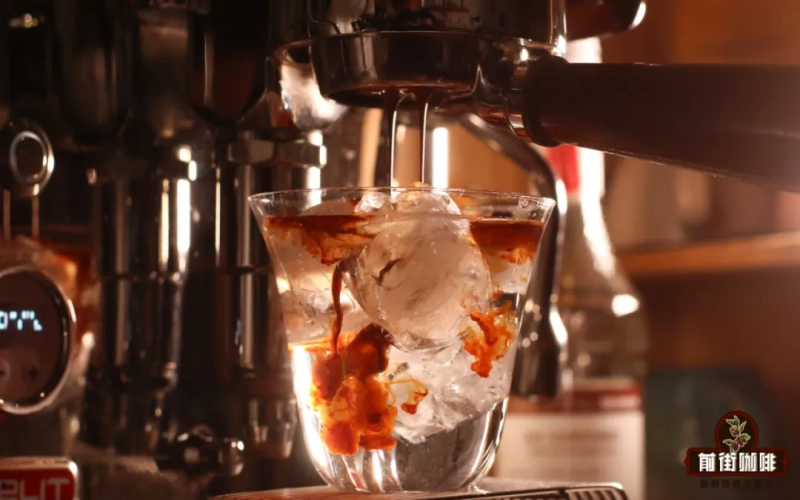
Hot Americano is often complained about for being "more bitter than life itself," while an iced Americano made from the same base goes down much more easily. Where exactly does this difference come from? This article takes a deep dive into the reasons why hot Americano stands out for its bitterness, examining three dimensions: the effect of temperature on taste, coffee bean roast level, and brew strength. It also provides the standard Americano coffee-to-water ratio and brewing recommendations. At the same time, Front Street Coffee has put together a list of espresso beans suitable for making Americano, from classic blends to floral-and-fruity SOEs, to help you find the cup that suits you best. Finally, we also objectively present the unique flavor advantages of hot Americano, and invite you to vote: iced Americano, hot Americano, or room-temperature Americano? [more…]
Americano Brewing Guide | Why Is Americano So Popular? What's the Difference Between Hot and Iced Americano? Can You Add Sugar and Milk to Americano?
Americano has become the drink of choice for many young people. A cup of Americano after a meal can not only cut through greasiness and aid digestion, but also effectively break down fat; combined with proper exercise, it can help with weight loss, which is why Americano has also become the coffee drink of choice for many celebrities. Front Street Coffee (FrontStr [more…]
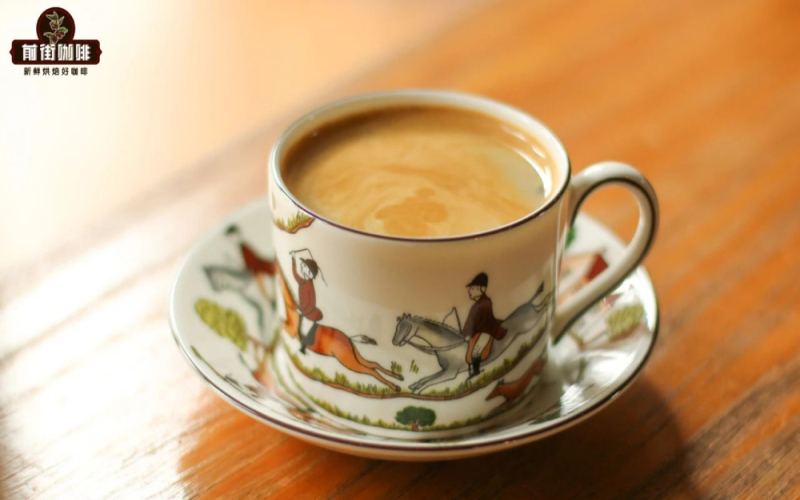
Why has iced Americano become a perennial favorite in coffee shops? A full analysis of the flavor differences between hot and iced Americano
Walking into any coffee shop, regardless of the season, iced Americano orders always remain consistently high. Why do more and more consumers prefer iced Americano? Isn't hot Americano just as good? After talking with many customers, Front Street Coffee found that people's reasons for choosing iced Americano mainly fall into three points: the younger generation's natural preference for cold drinks, low temperature can weaken bitterness, and the refreshing, palate-cleansing experience that iced Americano brings. This article will start from the compositional principles of Americano, using the same coffee beans, the same extraction parameters and ratios, and preparing Americano with three water temperatures—hot, room temperature, and cold—to compare their differences in aroma, taste, and mouthfeel, and to explore the influence of coffee bean roast level on Americano performance, finally offering selection suggestions suitable for different groups of people. [more…]
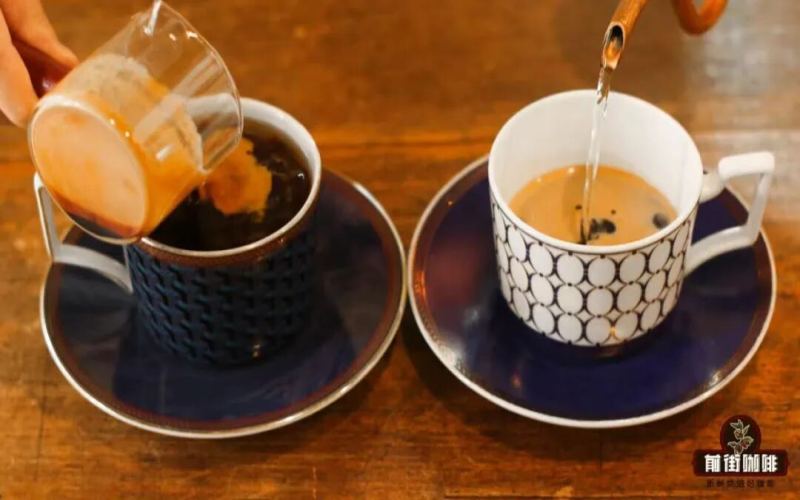
Fancy Ways to Drink Americano | Can You Make Latte Art with Americano? Does Americano with Milk Taste Good? Isn't a Long Black the Same Drink as an Americano?
As everyone knows!! In espresso coffee, the combination of milk and coffee has an extremely rich variety of ways to be enjoyed. Just by slightly changing the method or parameters, milk and coffee alone can be made in countless ways. The well-known ones include latte, cappuccino, flat white, piccolo, cortado, macchiato, and so on and so forth. And on the other hand, [more…]

Americano Caffeine Content | Why Do Celebrities Love Americano? Is There a Big Difference in Taste Between Iced and Hot Americano? Introduction to Americano Brewing Parameters
Americano has become the beverage of choice for many young people. A cup of Americano after a meal not only cuts through greasiness and aids digestion, but also effectively breaks down fat. Combined with proper exercise, it can help with weight loss, which is why Americano has also become the coffee drink of choice for many celebrities. Front Street Coffee (FrontStr [more…]
Caffeine content in Americano | Will drinking Americano make you addicted? How many iced Americanos can you drink per day at most? How to make a standard Americano at home?
Americano is a coffee drink that many people enjoy. However, many coffee lovers worry about becoming addicted to coffee or consuming too much caffeine, so they sometimes struggle with the decision of whether to drink it or not. Therefore, in this article, Front Street Coffee will explain the basics of Americano. What is Americano? " [more…]